Webinar: Managing Urinary Incontinence: AHRQ Initiative Findings and Resources
This 90-minute webinar will showcase progress, findings, and early impact from the Agency for Healthcare Research and Quality’s (AHRQ) EvidenceNOW: Managing Urinary Incontinence (MUI) multi-year initiative.

Overview

This 90-minute webinar will showcase progress, findings, and early impact from the Agency for Healthcare Research and Quality’s (AHRQ) EvidenceNOW: Managing Urinary Incontinence (MUI) multi-year initiative. The session will feature five grantees and their lessons learned supporting primary care practices to implement effective nonsurgical treatments for urinary incontinence (UI) in women. In addition to preliminary evaluation findings, the webinar will highlight implementation lessons learned working in the overburdened primary care setting. The webinar will also feature publicly available resources that can be adapted by primary care practices to implement their own UI screening and treatment initiatives.
Featured speakers will include Drs. Adonis Hijaz, Alayne Markland, Stephen Persell, Jennifer Anger, Heidi Brown, and other prominent researchers. Please click on the Featured Speakers tab to view all presenters.
By the end of the webinar, participants will be able to:
- Provide an update on the EvidenceNOW: Managing Urinary Incontinence initiative, inclusive of grantee intervention findings
- Highlight resources, tools, and methods developed by MUI grantees that could be adopted, adapted, or replicated in other settings
Featured Speakers
-

Elizabeth Cope, Ph.D., M.P.H.
Elizabeth L. Cope, Ph.D., M.P.H., is Chief Programs & Science Officer at AcademyHealth where she is responsible for overseeing the development, implementation, and evaluation of all extramural programs. Read Bio
-
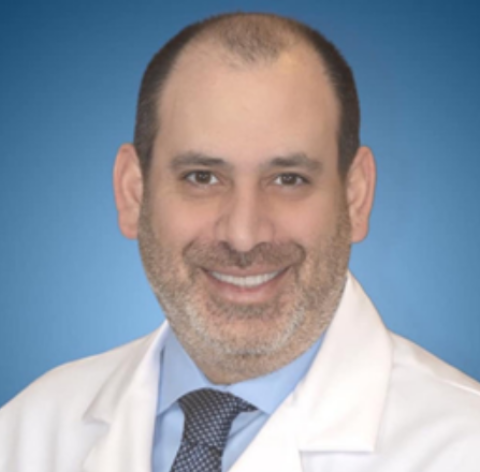
Adonis Hijaz, M.D.
Adonis Hijaz is the Lester Persky Professor of Urology at Case Western Reserve University School of Medicine. Read Bio
-
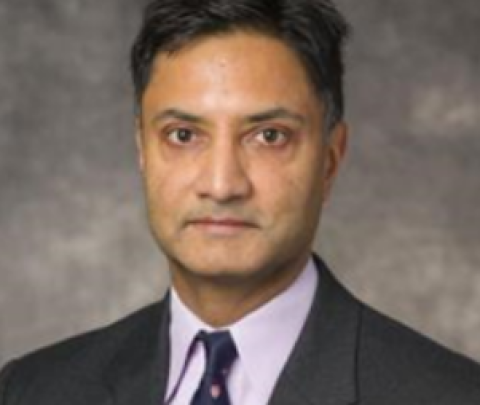
Goutham Rao, M.D.
Goutham Rao is the Jack H. Medalie Professor and Chairman of the Department of Family Medicine and Community Health Read Bio
-
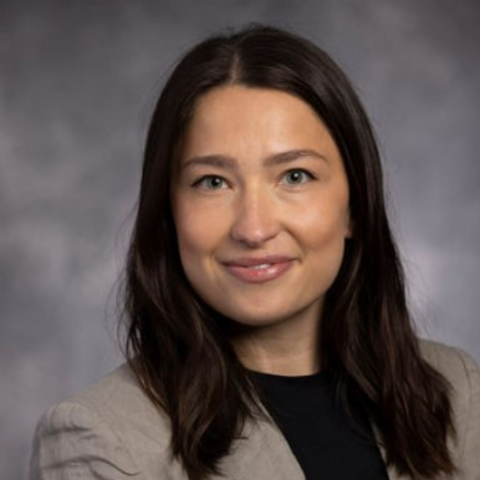
Elisar M. Khawam, B.S., CRCC
Elisar M. Khawam, B.S., CRCC, is an experienced clinical research project manager specializing in urology and women's health Read Bio
-

Alayne D. Markland, D.O., M.S.C.
Alayne D. Markland is a Professor of Medicine in the Division of Gerontology, Geriatrics, and Palliative Care and the holder of the Parrish Professorship in Geriatric Medicine at the University of Alabama at Birmingham (UAB) in Birmingham, Alabama. Read Bio
-

E. Camille Vaughan, M.D., M.S.
E. Camille Vaughan is an Associate Professor and Division Director in the Emory University Department of Medicine, Division of Geriatrics and Gerontology. Read Bio
-
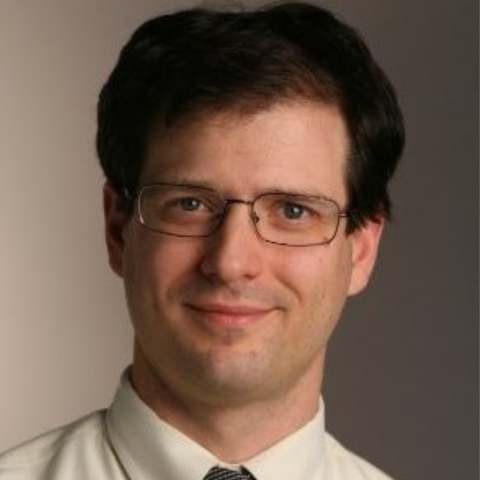
Stephen D. Persell, M.D., M.P.H., F.A.C.P
Stephen D. Persell, M.D., M.P.H., F.A.C.P is a Professor of Medicine and Director of the Center for Primary Care Innovation at Northwestern University’s Feinberg School of Medicine. Read Bio
-
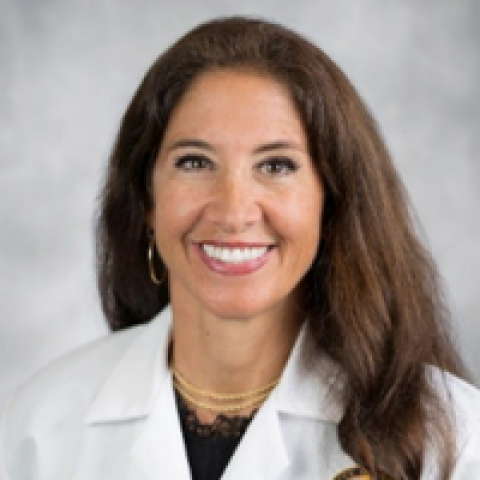
Jennifer T. Anger, M.D., M.P.H.
Jennifer T. Anger is a Professor of Urology and Vice Chair of Research in the UC San Diego Department of Urology. Read Bio
-

Heidi Brown, M.D., M.A.S.
Heidi Brown, M.D., M.A.S. is a Clinician Researcher and Urogynecologist at Kaiser Permanente. She is board-certified in Obstetrics and Gynecology and Female Pelvic Medicine and Reconstructive Surgery. Read Bio
EvidenceNOW is AHRQ’s blueprint to help primary care practices build capacity for quality improvement, implement new evidence into practice, and ultimately improve healthcare quality. Through the MUI initiative, AHRQ aimed to identify key strategies and resources that can help close the gap between evidence and practice for treatment of UI in women.
This project was funded under contract number 75Q8012D0020 from the Agency for Healthcare Research and Quality (AHRQ), U.S. Department of Health and Human Services (HHS). The authors are solely responsible for the contents, findings, and conclusions, which do not necessarily represent the views of AHRQ. Readers should not interpret any statement as an official position of AHRQ or of HHS. None of the authors has any affiliation or financial involvement that conflicts with the material presented.