Webinar: Understanding Breast Cancer Screening Access Through Rural Community Partnerships
Rural communities in the United States are often treated as a monolith, despite meaningful differences in social, economic, and structural conditions that shape access to healthcare. In South Central Washington State, limited mammography infrastructure and complex referral pathways intersect with these contextual differences to influence breast cancer screening access and behaviors.

Overview

Rural communities in the United States are often treated as a monolith, despite meaningful differences in social, economic, and structural conditions that shape access to healthcare. In South Central Washington State, limited mammography infrastructure and complex referral pathways intersect with these contextual differences to influence breast cancer screening access and behaviors. Understanding how these dynamics vary across different types of rural communities is essential for advancing health equity and designing context-responsive interventions.
Dr. Cruz will discuss findings from a community research partnership that used a multilevel qualitative approach to examine breast cancer screening access across distinct rural contexts. Drawing on interviews with community members, healthcare providers, public health professionals, and community-based organizations, this webinar will highlight how academic research can be tailored to address partner priorities while generating actionable insights. The session will also reflect on the role of partnership and researcher positionality, including navigating insider–outsider dynamics, in conducting rigorous and mutually beneficial community-engaged health equity research
By the end of the webinar, participants will be able to:
- Describe how social, economic, and structural factors across diverse rural community contexts shape access to breast cancer screening and influence related health behaviors.
- Explain how academic research can be intentionally designed and adapted in partnership with communities to address local priorities and practical needs while maintaining rigor in community engaged health equity research.
- Reflect on researcher positionality, including insider and outsider dynamics, and apply practical strategies to navigate these roles on health equity focused community based research.
Featured Speakers
-
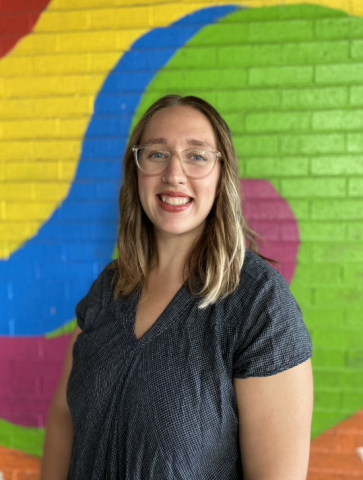
Jennifer Cruz, Ph.D., M.P.H.
Jen Cruz, PhD, MPH, is a Senior Scientist and Associate Director of Noncommunicable Diseases at the New York Academy of Medicine. She is an applied social epidemiologist whose work focuses on advancing health equity through community-engaged and practice-based research Read Bio
-

Nikhil Rao, B.S.P.H.
Nikhil Rao (he/they) is a PhD Candidate in Health Policy at Harvard University (Methods for Policy Research Concentration). Read Bio
In 2025, the AcademyHealth Health Equity and Women and Gender Interest Groups launched a new webinar series aimed at advancing inclusive and impactful health research. Designed to spotlight pressing issues, amplify diverse voices, and drive innovation in research and practice, the series shares timely studies, effective strategies for community-engaged work, and highlights a range of career pathways in the field.
Attendees can expect engaging speakers from varied backgrounds, relevant topics, and actionable insights to strengthen their work and build essential skills for driving meaningful change in health research and policy.