Webinar: Advancing School-Based Mental Health for Children with Health Needs
In this one-hour webinar, attendees explored a new national research agenda focused on school-based mental health for children and youth with special health care needs (CYSHCN), particularly those with emotional and behavioral challenges.

Overview

In this one-hour webinar, attendees explored a new national research agenda focused on school-based mental health for children and youth with special health care needs (CYSHCN), particularly those with emotional and behavioral challenges. The session situated the agenda within the current evidence base and highlighted the knowledge gaps that needed to be addressed to improve mental health services and outcomes for this population.
Attendees learned about the participatory process used to develop and prioritize high-impact comparative effectiveness research (CER) questions that reflected diverse interest holder perspectives. Panelists representing provider, youth advocate, and state Medicaid policymaker viewpoints discussed how the research agenda connected to real-world challenges and supported efforts to enhance mental health outcomes. The research agenda and accompanying environmental scan were made publicly available for use and adaptation.
By the end of the webinar, participants will be able to:
- Describe how a new research agenda was developed through a participatory process.
- Identify key research gaps that will drive change in school-based mental health for CYSHCN.
- Explain how addressing evidence gaps supports providers, youth advocates, and Medicaid policymakers in advancing school-based mental health programs for CYSHCN.
Featured Speakers
-

Elizabeth Cope, Ph.D., M.P.H.
Elizabeth L. Cope, Ph.D., M.P.H., is Chief Programs & Science Officer at AcademyHealth where she is responsible for overseeing the development, implementation, and evaluation of all extramural programs. Read Bio
-
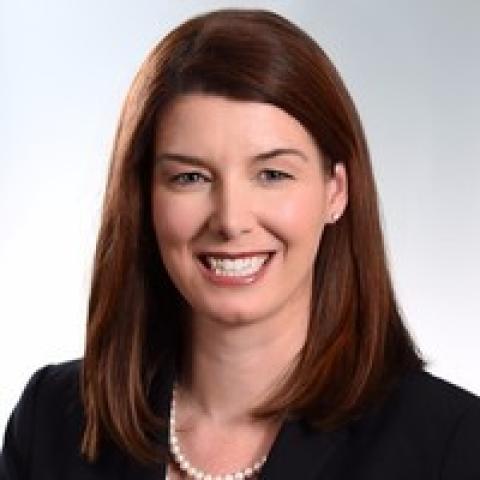
Jean O'Connor, J.D., M.P.H., Dr.P.H.
Jean O’Connor, JD, MPH, DrPH is a public health lawyer and leader with more than 25 years of experience in public health policy, population health, and government, with a focus on improving health outcomes through policy. Read Bio
-
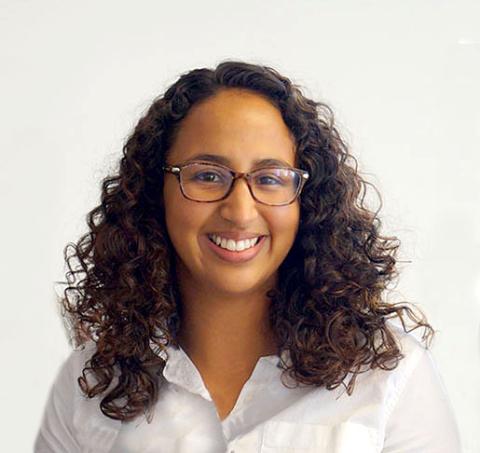
Oneyda Arellano, P.M.P., C.H.E.S.
Oneyda Arellano is a public health professional, certified project manager, and qualitative researcher with nearly six years of experience at Econometrica. Read Bio
-
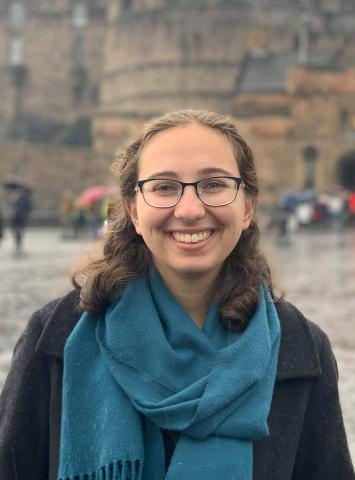
Sarah Weinberg
Sarah Weinberg is a Research Associate at AcademyHealth where she primarily supports projects related to health systems improvement. Read Bio
-
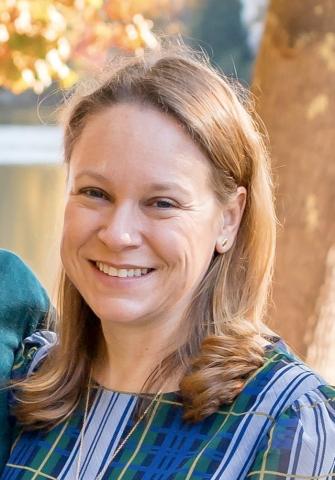
Amanda Dumas, M.D., M.S.c., F.A.A.P.
Amanda Dumas is a general pediatrician serving MassHealth (the Massachusetts combined Medicaid and CHIP program) as the Associate Medical Director for Pediatrics. Read Bio
-

Dennis Z. Kuo, M.D., M.H.S.
Dennis Z. Kuo, MD, MHS is the Purcell Family Distinguished Professor of Pediatrics and Chief of Developmental and Behavioral Pediatrics at the University of Rochester Medical Center/Golisano Children’s Hospital. Read Bio
-

Victoria Eckert, M.S.S.A., L.M.S.W.
Victoria Eckert, LMSW (she/her), serves as the Associate Director for Youth MOVE National, Mental Health Training Consultant for the Chautauqua County Department of Mental Hygiene, Adjunct Professor at SUNY Fredonia, and is a Licensed Social Worker in New York State. Read Bio
-
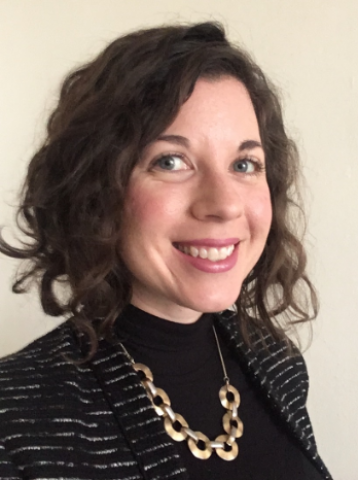
Jaime Adler, M.S., M.P.H.
Jaime Adler is a Senior Manager at AcademyHealth where her work focuses on disseminating and implementing evidence to improve health systems. Read Bio
The Eugene Washington PCORI Engagement Award Program supports bringing more patients, families, caregivers, and the broader health care community into the research process.
This work was funded through a Patient-Centered Outcomes Research Institute® (PCORI®) Eugene Washington PCORI Engagement Award (#EASCS-38921). The statements presented in this webinar are solely the responsibility of the author(s) and do not necessarily represent the views of PCORI.